
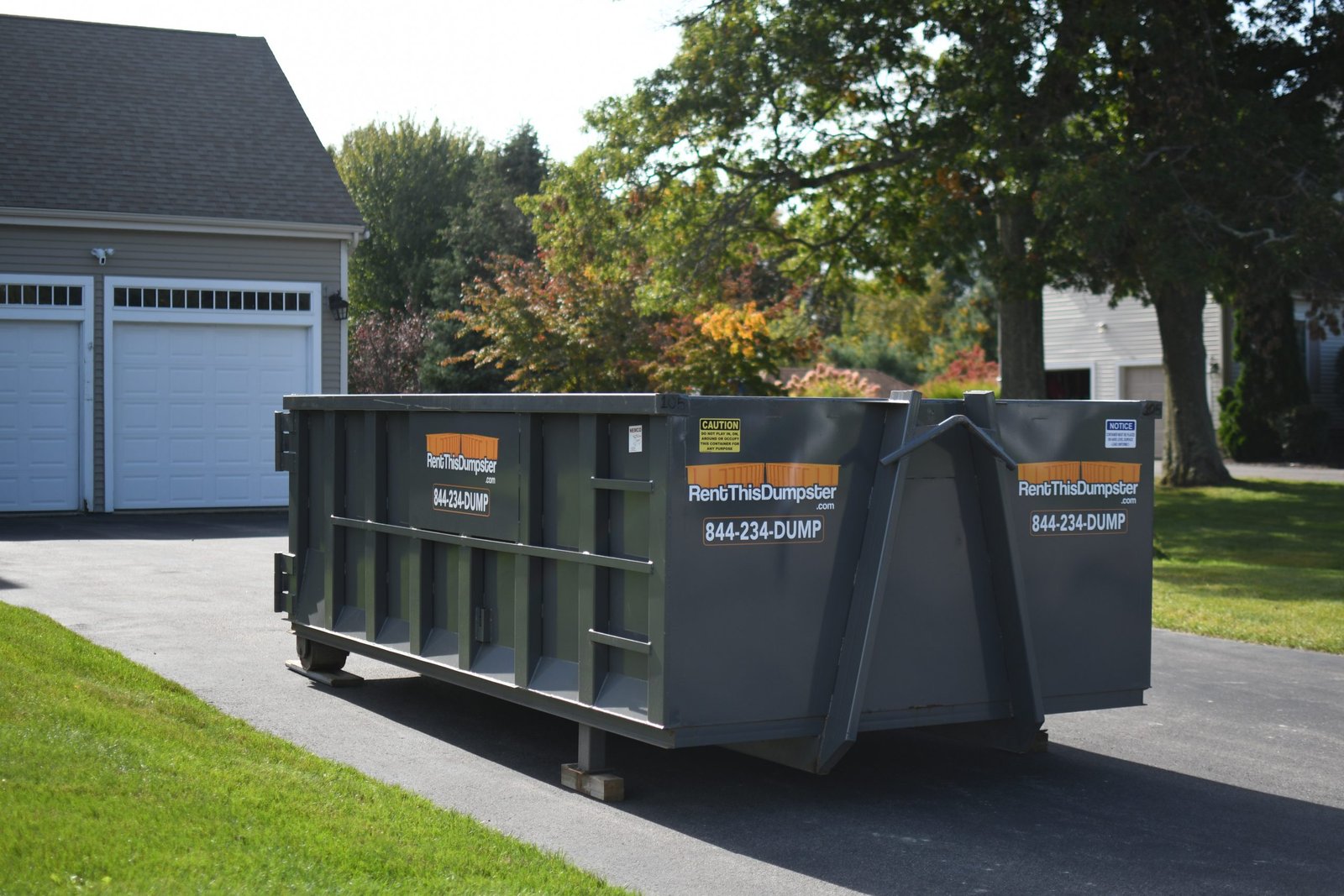
Construction debris does not appear randomly. It moves through a project in predictable waves tied to sequencing, labor activity, and material handling. When that flow is unmanaged, debris becomes an obstacle rather than a byproduct, slowing crews, cluttering access routes, and introducing safety and scheduling risks. Dumpster rentals help contractors control debris flow by providing structure, timing, and containment that align waste removal with how work actually happens on site.
Treating debris flow as an operational system rather than a cleanup task allows contractors to maintain momentum from demolition through closeout.
Debris Flow Starts with Sequencing
Every project phase produces waste differently. Demolition generates dense, bulky materials quickly. Framing and rough-ins add packaging and offcuts. Finishes introduce lighter debris that accumulates steadily. When these phases overlap or run on tight timelines, unmanaged waste piles up at the worst possible moments.
Dumpster rentals support debris flow by matching disposal capacity to sequencing. Containers are available when output peaks and cleared when transitions occur. This alignment keeps waste moving off the site instead of backing up into work areas.
Containment Creates Predictability
Loose debris spreads. It migrates into walkways, staging zones, and access points, creating friction throughout the site. Once scattered, it requires additional handling to regroup and remove.
Dumpsters create a single destination for waste. Centralized containment keeps debris from dispersing and makes cleanup predictable. When crews know exactly where waste goes, disposal becomes part of the workflow rather than a disruptive event.
Placement Shapes How Debris Moves
Where a dumpster sits influences how debris travels across the site. Long carry distances slow crews and encourage temporary staging. Poor placement can force debris through high-traffic areas or around obstacles, increasing congestion.
Strategic placement shortens the path from work area to disposal. When dumpsters are positioned near tear-out zones or exits used during demolition, debris moves in a single direction with minimal backtracking. This reduces handling time and keeps debris flow orderly rather than chaotic.
Supporting Continuous Removal During High-Output Phases
Certain phases produce waste faster than others. If capacity is insufficient during these periods, debris flow stalls. Overflowing containers force work to pause while service is arranged, creating bottlenecks that ripple across the schedule.
Dumpster rentals sized and scheduled for peak output keep debris moving during the most intense phases. Continuous removal prevents backups and allows crews to maintain pace without adjusting workflows around disposal constraints.
Reducing Double Handling
Double handling is one of the most common inefficiencies in construction waste management. Debris is moved once to a temporary pile and again into a container. Each extra movement consumes labor and increases clutter.
Onsite dumpsters reduce or eliminate this problem. When waste can be disposed of immediately, it is handled once and removed in bulk. Over the life of a project, eliminating double handling saves significant time and reduces unnecessary site congestion.
Keeping Trade Transitions Clean
Debris flow affects more than the active phase. It influences how smoothly the next phase begins. When waste from one trade remains onsite, incoming crews must clear space before starting work.
Coordinated dumpster service helps ensure debris is removed as phases conclude. Clean transitions support faster starts for subsequent trades and reduce the risk of scheduling conflicts. Controlled debris flow keeps the project moving forward rather than resetting at each handoff.
Managing Space on Confined Sites
Many construction sites operate within tight spatial constraints. Urban projects, residential lots, and interior renovations leave little room for waste to accumulate.
Dumpster rentals help control debris flow by removing waste from the site rather than redistributing it within limited space. This is especially important where staging areas are shared among materials, equipment, and crews. Contained disposal preserves usable space and prevents debris from encroaching on critical work zones.
Improving Safety Through Flow Control
Uncontrolled debris flow increases safety risk. Piles form where they should not, walkways narrow, and visibility decreases. These conditions slow movement and raise the likelihood of minor incidents.
By keeping debris contained and moving offsite on a predictable schedule, dumpsters help maintain clear paths and organized work areas. Safer sites tend to operate more efficiently because crews spend less time navigating around obstacles.
Supporting Weather-Resilient Operations
Weather amplifies debris problems. Wind scatters loose materials, rain increases weight and handling difficulty, and mud complicates cleanup. Debris that remains onsite longer than planned becomes harder to manage safely.
Dumpster rentals help control debris flow by allowing waste to be removed before weather compounds the issue. Contained disposal limits exposure and keeps debris from spreading during adverse conditions.
Aligning Waste Removal With Project Pace
Projects rarely move at a constant speed. Accelerated schedules, overlapping phases, or unexpected changes all affect debris generation. Waste removal must adapt to these shifts to maintain flow.
Temporary dumpster service is designed to match project pace rather than fixed routes. This flexibility allows contractors to adjust haul frequency or container size as conditions change, keeping debris flow aligned with actual activity rather than assumptions made early in planning.
Communication Keeps Flow Moving
Debris flow breaks down when responsibility is unclear. If no one monitors fill levels or coordinates service, containers fill unexpectedly and work slows.
Clear communication and accountability ensure dumpsters are serviced before they become a constraint. Assigning responsibility for monitoring and scheduling helps maintain uninterrupted flow and reduces reactive decision-making.
Working with Providers That Understand Debris Flow
Controlling debris flow requires more than container availability. It depends on coordination, timing, and an understanding of construction sequencing. Providers experienced with project-based work are better equipped to support these needs.
Many contractors rely on services such as Temporary Dumpster, whose offerings are structured around construction workflows and variable debris output. Experience with active job sites helps ensure waste removal supports progress rather than competing with it.
Dumpster rentals help control construction debris flow by providing structure to how waste is generated, moved, and removed. When debris has a clear destination, predictable capacity, and coordinated removal, it stays out of the way of productive work.
For contractors, managing debris flow is not just about cleanliness. It is about maintaining momentum, protecting labor efficiency, and keeping sites organized through every phase of the project. When dumpster rentals are integrated into planning and daily operations, debris becomes a managed byproduct rather than a recurring obstacle, allowing projects to move forward with greater consistency and control.