
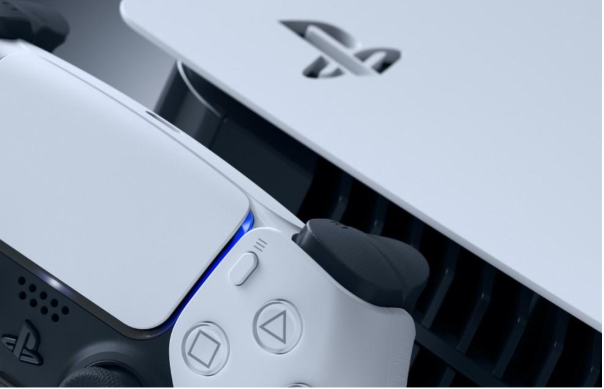
It is something of an unwritten rule that the cost of technology should go down over time. At least, that is the case when the technology is replaced by its next iteration. There are actually several written rules for this as well, covering many different aspects of technology – Moore’s Law (Semiconductors), Kryder’s Law (information storage), and so on. Yet, in the gaming sector, we have seen two price hikes from Sony for its PlayStation 5 consoles in the past year alone. The device was released in 2020, and in 2026, it is approximately 30% more expensive. It is almost unprecedented.
This is not a Sony story, however. First, the company was not alone in increasing the price of gaming hardware. Secondly, it is not only hardware that is rising in price. And thirdly, there is a unique set of circumstances in the gaming industry that is causing prices to rise, ranging from competition from the AI sector to complex global supply chains. An old slogan used by Sony was “This is for the Players,” yet, unfortunately, for the players, it’s painful.
Gaming has dealt with several headwinds
As you might expect, there has been some backlash. Gaming was not cheap before this era of global inflation caused by, but not limited to, events like the COVID-19 pandemic, the Ukraine-Russia conflict, tariffs (or threat thereof) from the current US administration, and, more recently, the conflict in the Middle East. But right now, many feel it is getting out of hand.
For balance, it’s worth remembering that not all gaming takes place on expensive consoles with AAA games. There’s a vast ecosystem of free and cheap gaming online, with the only requirements being a device like a phone or laptop and an internet connection. Even online casino games can be played in demo mode on some platforms. Yet there is an outcry because some budget-conscious gamers are being pushed out, particularly by rising subscription costs.
Gen-Z is spending less on gaming
Some are voting with their wallets. If, as we said earlier, it is an unwritten rule that technology gets cheaper over time, there is also a consensus that younger generations take to video gaming more so than their peers. Yet evidence is emerging that younger gamers, particularly Gen Z, are spending less time and less money on gaming than ever before.
<iframe width=”560″ height=”315″ src=”https://www.youtube.com/embed/RtvJg-9u3uk?si=XcvZpzIWv4vmdqJD” title=”YouTube video player” frameborder=”0″ allow=”accelerometer; autoplay; clipboard-write; encrypted-media; gyroscope; picture-in-picture; web-share” referrerpolicy=”strict-origin-when-cross-origin” allowfullscreen></iframe>
To be fair, it feels like the industry is reacting. Microsoft Gaming, i.e., Xbox, recently saw the departure of long-term boss Phil Spencer. His replacement, Asha Sharma, almost immediately cut prices of Game Pass (Xbox’s subscription service) and several related gaming services. Those cuts came after a 50% hike the year before on Spencer’s watch, and it meant that the passes are still more expensive than they were a couple of years ago, but the perception of the olive branch was welcomed.
The main question, however, is what happens next. Many of those factors that are impacting the price of gaming have not gone away, particularly the pressure coming from the AI sector to gobble up chips and RAM. In the late fall, Grand Theft Auto VI will arrive – it’s possibly the most hotly anticipated game of all time – but how much will it cost? We started this piece talking about unwritten rules. Well, it was once the rule that AAA games cost $49.99, then it rose to $59.99, then $69.99. There are rumors that it could retail at $99, perhaps north of $100. It’s a once-in-a-generation video game, so fans will pay for it, but the symbolism will be plain to see.