
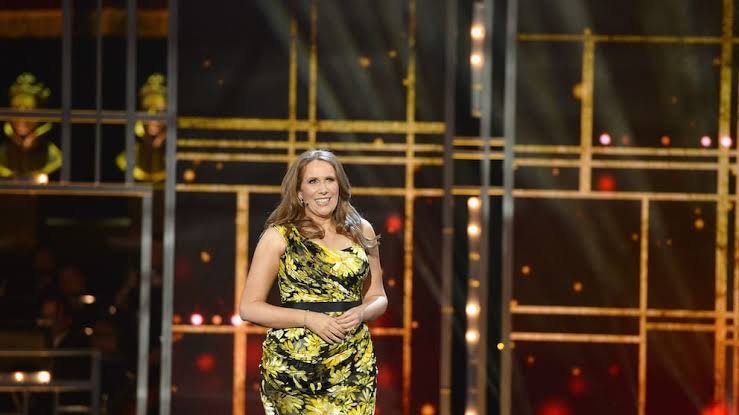
Catherine Tate is one of Britain’s most recognisable comedians, actresses, and writers. Her career has moved effortlessly between sketch comedy, science-fiction drama, American sitcoms, theatre, film, and voice acting. While many performers become closely associated with one successful character, Tate has built a reputation for creating an entire collection of unforgettable personalities.
For many viewers, she will always be the woman behind the famous question, “Am I bothered?” Others know her as the warm, outspoken, and deeply human Donna Noble from Doctor Who. American audiences may recognise her as Nellie Bertram from The Office. These performances are very different, yet each one demonstrates Tate’s excellent comic timing and ability to make exaggerated characters feel believable.
What makes Catherine Tate especially interesting is that her success was not built around a carefully manufactured celebrity image. Instead, it came from years of professional training, stage work, observation, writing, and experimentation. Her career shows how talent, versatility, and a clear understanding of human behaviour can turn a comedy performer into an internationally respected entertainer.
Catherine Tate’s Early Life and Introduction to Acting
Catherine Tate was born Catherine Jane Ford in London on 5 December 1969. She was raised in the Bloomsbury area of the city and developed an interest in performance while she was still young. Rather than becoming famous immediately, she followed the traditional route of studying acting and gradually gaining professional experience.
She trained at the Central School of Speech and Drama, now known as the Royal Central School of Speech and Drama. The institution has educated many successful British actors, directors, and theatre professionals. Tate’s formal training helped her develop the vocal control, physical confidence, and character-building skills that would later become central to her comedy.
Her early career was mainly connected with theatre and smaller television appearances. She performed in stage productions and appeared in programmes including The Bill and London’s Burning. She also worked with the Royal Shakespeare Company, gaining valuable experience in classical and dramatic performance. These early roles may not have made her a household name, but they gave her the strong technical foundation needed for the demanding character work that followed.
The Breakthrough Success of The Catherine Tate Show
Catherine Tate achieved her major breakthrough with The Catherine Tate Show, which first appeared on the BBC in 2004. The sketch series was created and performed by Tate, allowing her to demonstrate both her writing ability and her wide acting range. Instead of depending on a single comic personality, the programme introduced viewers to numerous characters from different backgrounds, age groups, and social situations.
One of the show’s most famous characters was Lauren Cooper, a defensive and argumentative teenager known for repeatedly asking whether she looked “bothered.” The character became a major part of British popular culture, particularly among younger viewers. Tate understood the exaggerated confidence, insecurity, language, and body movements of teenagers so accurately that Lauren felt familiar even when her behaviour became ridiculous.
Another popular creation was Joanie Taylor, better known as Nan. Unlike Lauren, Nan appeared to be a sweet elderly woman before revealing her rude opinions and explosive temper. Other characters included the nervous Margaret, the highly emotional Derek Faye, and the constantly surprised Janice and Ray. The programme won several industry honours and received multiple major nominations, establishing Tate as one of the leading figures in British television comedy.
Why Catherine Tate’s Characters Became So Memorable
The success of Catherine Tate’s characters was not simply the result of funny catchphrases. Catchphrases helped viewers remember the sketches, but the humour usually came from recognisable behaviour. Tate observed how people speak when they are embarrassed, defensive, judgemental, confused, or desperate for attention, and then pushed those characteristics to comic extremes.
Her performances also depended heavily on physical detail. A change in posture, facial expression, breathing pattern, or tone of voice could completely transform her appearance. Lauren Cooper’s restless attitude, for example, was very different from Nan’s suspicious stare and aggressive movements. Tate did not merely put on costumes; she created a different rhythm for every personality.
There was often an uncomfortable honesty beneath the comedy. Her characters could be selfish, rude, insecure, or socially awkward, but they were rarely presented as completely empty caricatures. Viewers could recognise relatives, classmates, colleagues, neighbours, and sometimes themselves in the sketches. This combination of exaggeration and truth gave The Catherine Tate Show a lasting place in British comedy.
Catherine Tate as Donna Noble in Doctor Who
Catherine Tate reached another level of international popularity when she joined Doctor Who. She first appeared as Donna Noble in the 2006 Christmas special, “The Runaway Bride.” Donna was loud, confused, and unimpressed by the strange world surrounding the Doctor, played by David Tennant. At first, the character seemed designed mainly to create comic conflict, but she later developed into one of the programme’s most emotionally complex companions.
Tate returned as a regular cast member for the fourth series in 2008. Donna’s relationship with the Doctor stood out because it was based on close friendship rather than romance. She challenged him, questioned his decisions, and provided emotional support without losing her direct personality. Her humour remained important, but the series also gave Tate opportunities to perform dramatic material involving family, regret, loneliness, courage, and personal sacrifice.
Donna Noble became especially memorable because her confidence hid a deep belief that she was ordinary and unimportant. Her journey gradually proved that she was capable of extraordinary compassion and bravery. Tate later returned to the role alongside Tennant for the programme’s 60th-anniversary specials in 2023, giving the character’s story a new chapter and allowing audiences to reconnect with one of the modern series’ most popular partnerships.
Joining the American Version of The Office
Catherine Tate expanded her international career by joining the American version of The Office. She initially appeared as Nellie Bertram during the programme’s seventh-season finale in 2011. Nellie was one of several candidates being considered for a management position at the fictional paper company Dunder Mifflin.
Tate returned during the eighth season and became a regular member of the cast. Nellie was confident, unpredictable, manipulative, and frequently unaware of how other people viewed her. Her arrival changed the existing office dynamic, particularly when she attempted to take control of the Scranton branch without following the usual promotion process.
Playing Nellie required Tate to adapt her performance style to an established American ensemble comedy. Rather than dominating every scene like a sketch-show character, she had to work within the programme’s mockumentary format and support longer storylines. Although Nellie was initially divisive, the character gradually became more vulnerable and sympathetic. Tate remained with the series through its ninth and final season.
Catherine Tate’s Theatre, Film, and Voice Work
Although television made Catherine Tate famous, theatre has remained an important part of her career. Her stage background allowed her to take on both comic and dramatic productions. One of her most celebrated performances came in a West End production of Shakespeare’s Much Ado About Nothing, in which she played Beatrice opposite David Tennant as Benedick.
The production attracted considerable attention because it reunited the two Doctor Who stars, but its success depended on more than audience nostalgia. Tate brought intelligence, energy, emotional depth, and sharp comic timing to Beatrice. Her performance earned significant recognition, including a BroadwayWorld UK Award for Best Leading Actress in a Play. Her reunion with Tennant also received the Theatre Event of the Year honour at the WhatsOnStage Awards.
Tate has also appeared in films and provided voices for animated projects. Her screen work includes productions such as Starter for 10, Love and Other Disasters, Gulliver’s Travels, and SuperBob. She voiced Magica De Spell in the animated revival of DuckTales, introducing her distinctive delivery to a younger international audience. These roles demonstrate her willingness to move between mainstream entertainment, character comedy, family productions, and independent projects.
The Return of Nan and Catherine Tate’s Later Projects
Nan remained one of Catherine Tate’s most enduring creations after the original sketch series ended. The character returned in television specials and eventually became the focus of The Nan Movie. Tate co-wrote the film with Brett Goldstein, expanding a short-form comedy character into a longer story involving family history and a road trip.
Turning a sketch character into a feature-length film is difficult because behaviour that works in a short scene can become repetitive over a longer period. The project therefore attempted to explore Nan’s past and relationships while maintaining the confrontational humour associated with the character. The film received a mixed critical response, but it confirmed the character’s lasting recognition among Tate’s audience.
Tate also created and starred in the Netflix comedy series Hard Cell. Presented in a mockumentary style, the programme followed life inside a fictional women’s prison, with Tate playing several different characters. The project returned her to the multi-character format that had defined her early television success while placing those personalities within one connected setting.
What Makes Catherine Tate Such a Versatile Performer?
Catherine Tate’s versatility comes from the combination of acting technique and comic instinct. She is not simply a comedian who occasionally performs serious scenes, nor is she a dramatic actress who happens to be funny. She understands how comedy and drama can support one another, especially when a character uses humour to hide fear, insecurity, sadness, or frustration.
Her performance as Donna Noble is perhaps the clearest example. Donna could generate comedy through a single expression or impatient response, but Tate could immediately shift the mood when the story became emotional. That transition rarely felt unnatural because both sides of the character came from the same personality.
Tate is also willing to make her characters look foolish, unpleasant, or emotionally exposed. She does not rely on appearing glamorous or likeable in every scene. This freedom allows her to create stronger comic personalities and more convincing dramatic moments. Whether she is playing a Shakespearean heroine, an office manager, an angry grandmother, or a time traveller’s best friend, she commits fully to the role.
Catherine Tate’s Influence on British Comedy
Catherine Tate became a major figure during an important period for British sketch comedy. Her programme arrived when character-driven television series were attracting large audiences and generating phrases that quickly became part of everyday conversation. Lauren Cooper’s language was repeated in schools, workplaces, and entertainment programmes across the country.
However, Tate’s influence extends beyond catchphrases. Her success demonstrated the value of female-led sketch comedy in a television industry that had often given its most prominent comedy opportunities to men. As the creator, writer, and central performer of her programme, she maintained a high level of creative control over the characters and their presentation.
Her work also proved that popular comedy does not have to prevent an actor from pursuing serious dramatic roles. Tate moved from broad sketches to emotionally demanding science-fiction stories, Shakespearean theatre, American television, and feature films. That career path has helped establish her as more than a television comedian; she is a complete character actress with a particularly strong gift for humour.
The Lasting Appeal of Catherine Tate
Catherine Tate’s appeal comes partly from familiarity. Her characters often resemble people viewers have met, even when their behaviour is exaggerated. She notices social habits that others overlook and turns them into comedy through carefully controlled performances.
Her work also appeals to several generations. Some viewers first discovered her through The Catherine Tate Show, while others know her mainly from Doctor Who, The Office, DuckTales, or her more recent comedy projects. The different stages of her career have allowed her to remain visible without depending entirely on one programme.
Most importantly, Tate continues to be remembered because her strongest performances contain genuine emotion. Audiences laugh at Donna Noble, Lauren Cooper, Nellie Bertram, and Nan for different reasons, but each character has a recognisable human quality. That emotional foundation gives her work more depth than a collection of jokes and costumes.
Conclusion
Catherine Tate has built one of the most varied careers in modern British entertainment. She began with professional acting training and theatre work before becoming a household name through The Catherine Tate Show. She then surprised audiences with her emotional performance as Donna Noble in Doctor Who and successfully entered American television as Nellie Bertram in The Office.
Her career demonstrates how strong character observation can work across comedy, drama, science fiction, theatre, animation, and film. She can make audiences laugh with an exaggerated expression, but she can also create moving scenes without losing the personality that makes her performances distinctive.