
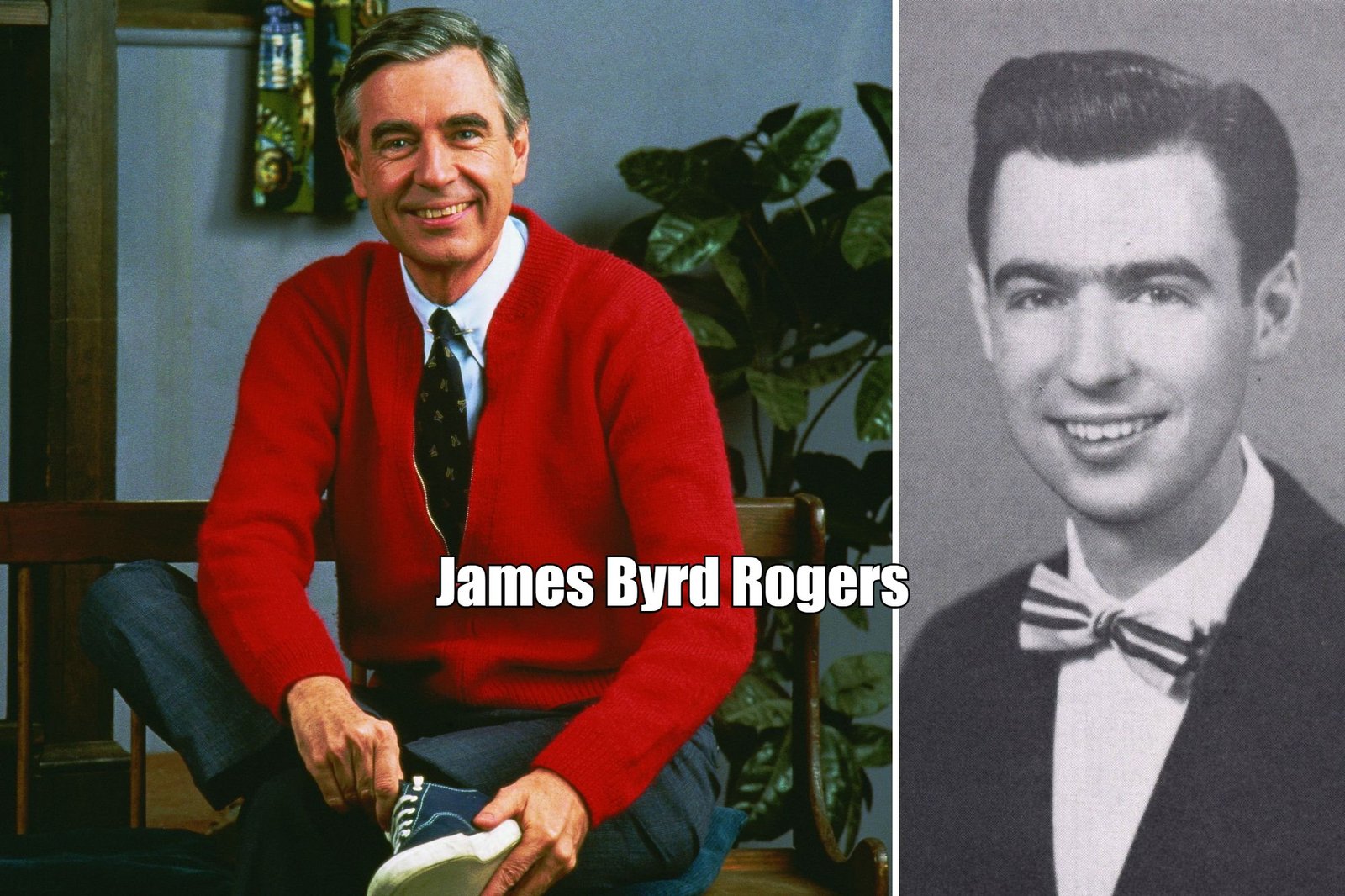
James Byrd Rogers is best known as the eldest son of Fred Rogers, the beloved creator and host of Mister Rogers’ Neighborhood. While his father became one of the most trusted figures in American television, James chose a much quieter path. That contrast is one reason people remain curious about him today.
Unlike many children of famous public figures, James Byrd Rogers has not built his identity around fame. He has kept most details about his personal and professional life away from the spotlight, which makes verified information about him limited. Still, his connection to the Rogers family gives him a meaningful place in the larger story of Fred Rogers’ legacy.
James was born into a family shaped by music, faith, education, and children’s media. His father, Fred Rogers, became a national symbol of kindness, while his mother, Joanne Rogers, was an accomplished pianist and an important guardian of Fred’s legacy after his death. Fred and Joanne had two sons, James and John, and Fred Rogers’ official biography notes that he was survived by two children and three grandchildren.
Who Is James Byrd Rogers?
James Byrd Rogers, often called Jim Rogers in some public references, is the elder son of Fred Rogers and Sara Joanne Byrd Rogers. Rollins College, where Fred and Joanne met, notes that the couple married in 1952 and had two children: James, born in 1959, and John, born in 1961.
Because James has lived mostly outside public media, there is no widely documented career profile, public business biography, or official social-media-based public identity attached to him. That is important to understand because many online articles try to fill those gaps with guesses. A careful article should not invent details about his occupation, wealth, or daily life.
What can be said confidently is that James Byrd Rogers belongs to one of the most admired families in American television history. His life is usually discussed through the lens of his father’s influence, his mother’s role in preserving that influence, and his occasional presence in documentaries or family-related public conversations.
Growing Up as Fred Rogers’ Son

Growing up as James Byrd Rogers’ son was not like growing up with a typical television celebrity. Fred Rogers was famous, yes, but his fame came from gentleness, emotional honesty, and an unusually sincere connection with children. That kind of public image can be inspiring, but it can also create pressure for family members.
Fred Rogers was not just an entertainer. He was also an ordained Presbyterian minister who used television as a way to serve children and families. His work centered on emotions, kindness, patience, and self-worth, which gave his public image almost moral weight. For a child, being raised by someone viewed as a national symbol of goodness could feel both comforting and complicated.
The documentary Won’t You Be My Neighbor? helped audiences see that Fred Rogers’ family members had their own experiences behind the public image. The Los Angeles Times reported that the film included participation from Rogers’ immediate family, including Joanne, the couple’s two sons, and Fred’s sister.
James Byrd Rogers and the Rogers Family Legacy
James Byrd Rogers is part of a family legacy that goes far beyond one television show. Mister Rogers’ Neighborhood became a cultural landmark because it treated children as thoughtful human beings rather than passive viewers. Fred Rogers spoke slowly, listened carefully, and made room for difficult subjects in a calm way.
That legacy did not end when Fred Rogers died in 2003. Joanne Rogers continued to support and protect her husband’s work for many years. She was widely remembered as a musician, public presence, and warm representative of the values Fred shared with generations of viewers. Southern Living reported that Joanne helped carry on Fred’s legacy after his death and served as chair emeritus of the nonprofit Fred Rogers Company.
James, however, has not tried to become the public face of that legacy. That choice says something meaningful. In a world where many people use family fame as a platform, James Byrd Rogers appears to have preferred privacy over publicity. For many readers, that makes him even more interesting.
Why James Byrd Rogers Stays Private
One of the most noticeable things about James Byrd Rogers is how little he appears in public media. There are no major interviews, celebrity-style profiles, or frequent public updates connected to his name. That privacy seems intentional, and it deserves respect.
Being the child of a famous parent often brings unwanted attention. People may expect personal stories, emotional details, or behind-the-scenes memories. But being related to someone famous does not mean a person owes the public access to their private life.
This is especially true in the Rogers family’s case. Fred Rogers built his career around respect, emotional boundaries, and dignity. So, writing about James Byrd Rogers should follow the same spirit: share what is documented, avoid gossip, and leave space for what he has chosen not to make public.
Relationship to Fred and Joanne Rogers
James Byrd Rogers’ parents had a long and well-documented marriage. Fred and Joanne met at Rollins College, where both studied music. Their shared musical background shaped their relationship, and Joanne later became known not only as Fred’s wife but also as a talented pianist in her own right.
Joanne Rogers was born Sara Joanne Byrd, which explains the “Byrd” in James Byrd Rogers’ name. She and Fred married in 1952 and remained together until Fred’s death in 2003. Public accounts consistently describe their marriage as central to Fred’s personal and professional life.
James and his brother John grew up in a household where music, television, faith, and public service all overlapped. Their father’s work reached millions, but their home life was still a family life, not a television script. That distinction matters because it reminds readers that famous families are still made of real people.
Public Interest in James Byrd Rogers
People search for James Byrd Rogers because Fred Rogers remains deeply loved. Viewers who grew up with Mister Rogers’ Neighborhood often want to know more about the man behind the sweater, including his wife, children, and family background. James naturally becomes part of that curiosity.
Another reason people search his name is the rise of documentaries and films about Fred Rogers. Projects like Won’t You Be My Neighbor? and A Beautiful Day in the Neighborhood brought renewed attention to Fred’s personal life, his values, and the people closest to him.
Still, public interest should not be confused with public entitlement. James Byrd Rogers is not a traditional celebrity. He is best understood as a private individual connected to a major cultural figure, not as someone who has actively pursued fame for himself.
Common Misconceptions About James Byrd Rogers
One common misconception is that James Byrd Rogers has a large public career in entertainment. Some websites describe him using vague labels, but there is little reliable public evidence to support many of those claims. When information is not verified, it should be treated carefully.
Another misconception is that every detail about his personal life should be available because his father was famous. That is not fair. Fred Rogers’ public work belonged to viewers, but his family’s private life did not automatically become public property.
There is also confusion around his age, family details, and public appearances because many online sources repeat each other without strong sourcing. The strongest basic details are simple: James is Fred and Joanne Rogers’ elder son, born in 1959, with a younger brother named John.
Conclusion
James Byrd Rogers remains an interesting figure because of what he represents: a private life beside a very public legacy. As Fred Rogers’ eldest son, he is naturally connected to one of the most respected names in children’s television.
At the same time, James has not chosen to live as a celebrity. That makes his story quieter, but not less meaningful. His life reminds us that legacy does not always need a spotlight. Sometimes, simply preserving privacy is its own kind of dignity.