
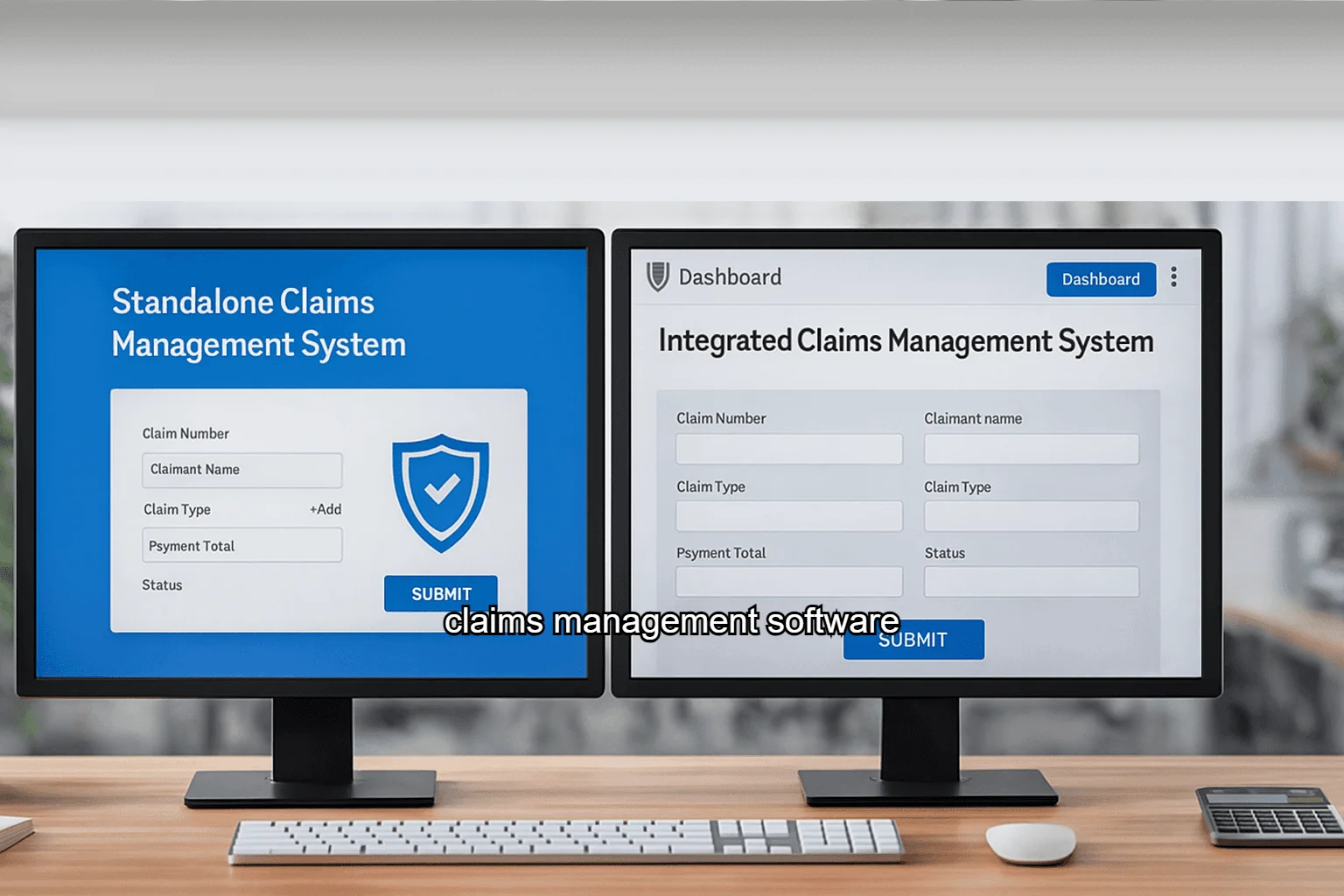
Claims Management Software are the moment of truth for any insurance company, third-party administrator, or self-insured organization. This is where promises are tested, customer trust is built (or broken), and operational efficiency truly matters. Over the last decade, claims management software has moved from being a “nice to have” tool to an absolute necessity for handling claims accurately, quickly, and at scale.
In this article, I’ll break down what claims management software really is, how it works, why it matters, and what organizations should look for when adopting it. The approach is practical, experience-based, and focused on real-world use rather than buzzwords.
What Is Claims Management Software?
Claims management software is a digital system designed to manage the entire lifecycle of an insurance or risk-related claim—from initial reporting to final settlement and closure. Instead of relying on spreadsheets, emails, paper files, or disconnected tools, everything lives in one centralized platform.
At its core, the software acts as a command center for claims data. It captures claim details, assigns tasks, tracks progress, stores documentation, and enforces workflows. This ensures that nothing falls through the cracks, even when claim volumes increase or cases become complex.
Beyond basic recordkeeping, modern claims management systems also support automation, analytics, compliance controls, and collaboration. They are built to reduce manual work while improving accuracy and transparency. For organizations dealing with hundreds or thousands of claims, this level of structure is not optional—it’s essential.
Why Claims Management Matters More Than Ever
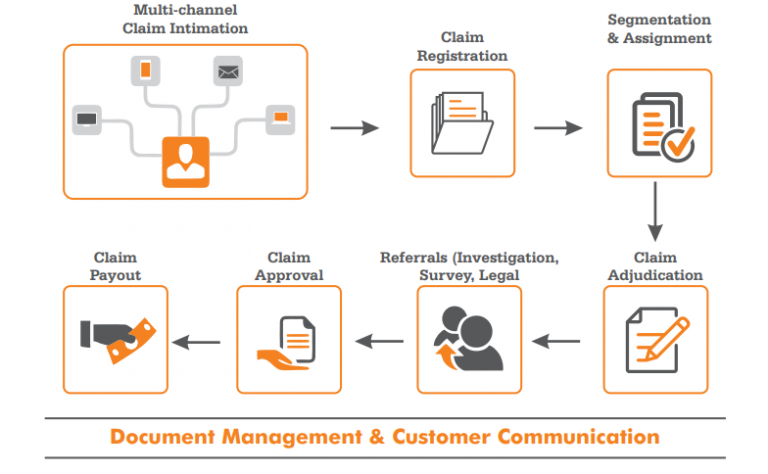
The claims environment today is far more demanding than it was even a few years ago. Customers expect fast responses, regulators demand accurate reporting, and internal teams are under constant pressure to reduce costs. Claims management software helps balance all of these expectations.
One of the biggest challenges in claims handling is inconsistency. When different adjusters follow different processes, outcomes vary widely. This creates risk, delays, and dissatisfaction. A well-implemented system standardizes workflows while still allowing flexibility for complex cases.
Another major factor is data volume. Claims generate massive amounts of information, including forms, photos, medical records, correspondence, and financial data. Without proper software, managing this information becomes chaotic. Centralized systems bring order, traceability, and accountability to the process.
Core Features of Claims Management Software
Most claims management platforms share a set of core features, although the depth and quality can vary significantly between solutions. Understanding these features helps organizations choose the right system for their needs.
First, claim intake and registration is a foundational capability. This includes capturing claim details from multiple sources such as online forms, emails, phone calls, or third-party integrations. A smooth intake process reduces errors and speeds up claim initiation.
Second, workflow and task management ensures that claims move forward efficiently. Tasks can be automatically assigned based on rules, deadlines can be tracked, and escalations can be triggered when something is overdue. This removes the need for manual follow-ups and constant supervision.
Third, document and communication management keeps everything organized. Emails, letters, reports, and evidence are stored directly within the claim record. This not only improves efficiency but also creates a complete audit trail for compliance and dispute resolution.
How Automation Transforms the Claims Process
Automation is one of the biggest advantages of modern claims management software. It reduces repetitive manual work and allows claims professionals to focus on higher-value tasks that require judgment and expertise.
Simple automation rules can handle tasks such as assigning claims, sending acknowledgment emails, requesting missing documents, or calculating reserves. Over time, these small efficiencies add up to significant time and cost savings.
More advanced systems also support decision support tools and rules-based processing. For example, low-value or low-risk claims can be fast-tracked for quicker settlement, while complex claims are routed to senior adjusters. This intelligent handling improves both speed and accuracy.
Automation doesn’t replace human expertise—it enhances it. The goal is to remove friction from the process so professionals can deliver better outcomes with less stress.
Improving Accuracy and Reducing Risk
Errors in claims handling can be expensive. Overpayments, underpayments, missed deadlines, and compliance failures all carry financial and reputational risks. Claims management software plays a critical role in minimizing these issues.
Built-in validation checks help ensure that data is complete and accurate before claims move forward. Mandatory fields, logic rules, and automated calculations reduce the chance of human error at key stages.
From a compliance perspective, the software enforces standardized processes and maintains detailed audit logs. Every action is recorded, making it easier to demonstrate regulatory compliance or respond to audits and disputes.
Risk teams also benefit from better visibility. Real-time dashboards and reports highlight trends, bottlenecks, and potential problem areas before they escalate into serious issues.
Claims Analytics and Reporting Capabilities
One of the most powerful yet often underutilized aspects of claims management software is analytics. When claims data is structured and centralized, it becomes a strategic asset rather than just an operational byproduct.
Standard reports typically include claim frequency, severity, cycle times, and settlement costs. These metrics help managers evaluate performance and identify inefficiencies. Over time, trends emerge that can inform better decision-making.
Advanced analytics can go even further by identifying fraud indicators, predicting claim outcomes, or benchmarking performance across teams. This level of insight is nearly impossible to achieve with manual systems or fragmented data sources.
When used correctly, analytics turns claims management from a reactive function into a proactive, data-driven operation.
User Experience for Adjusters and Teams
No matter how powerful a system is, it won’t deliver results if users find it frustrating or confusing. User experience is a critical factor in the success of any claims management software.
Modern platforms focus on clean interfaces, intuitive navigation, and role-based views. Adjusters see what matters most to them, while managers and executives access higher-level insights. This reduces cognitive load and speeds up daily work.
Mobile access is another important consideration. Field adjusters and remote teams need the ability to review claims, upload photos, and communicate on the go. Software that supports mobile workflows improves responsiveness and productivity.
Good user experience also reduces training time and resistance to adoption, which are common challenges during system rollouts.
Integration with Other Business Systems
Claims management software does not operate in isolation. To deliver full value, it must integrate smoothly with other systems such as policy administration, accounting, customer relationship management, and external data providers.
Integration eliminates duplicate data entry and ensures consistency across systems. For example, policy details can be automatically pulled into a claim, while payment data can flow directly into financial systems.
APIs and configurable connectors make it easier to integrate without heavy customization. This flexibility is especially important for organizations with complex or evolving technology landscapes.
Well-designed integrations create a seamless ecosystem where information flows freely, supporting faster decisions and better service.
Choosing the Right Claims Management Software
Selecting the right solution requires more than comparing feature lists. Organizations need to evaluate their specific workflows, claim volumes, regulatory requirements, and long-term goals.
Scalability is a key factor. A system that works well for a small team may struggle under higher volumes or more complex claims. Cloud-based platforms often offer greater flexibility and easier scaling.
Customization versus configuration is another important consideration. The best systems allow organizations to configure workflows and rules without heavy coding. This reduces dependence on vendors and speeds up change management.
Finally, vendor support, implementation experience, and ongoing updates matter just as much as the software itself. A strong partnership can make the difference between success and frustration.
The Future of Claims Management Software
The future of claims management is increasingly intelligent, connected, and customer-centric. Emerging technologies are pushing the boundaries of what these systems can do.
Artificial intelligence and machine learning are already being used to detect fraud, predict claim severity, and recommend next actions. As these tools mature, they will further enhance efficiency and accuracy.
Customer self-service portals and digital communication channels are also becoming standard. Claimants expect transparency and real-time updates, and software platforms are evolving to meet these expectations.
Ultimately, claims management software will continue to shift from a back-office tool to a strategic platform that directly impacts customer satisfaction, financial performance, and organizational resilience.
Final Thoughts
Claims management software is no longer just about processing claims faster—it’s about managing risk, improving customer experiences, and using data intelligently. Organizations that invest in the right tools and processes gain a clear competitive advantage.
By centralizing information, automating routine tasks, and providing actionable insights, modern systems empower claims teams to do their best work. The result is fewer errors, lower costs, and stronger trust with customers and stakeholders.